
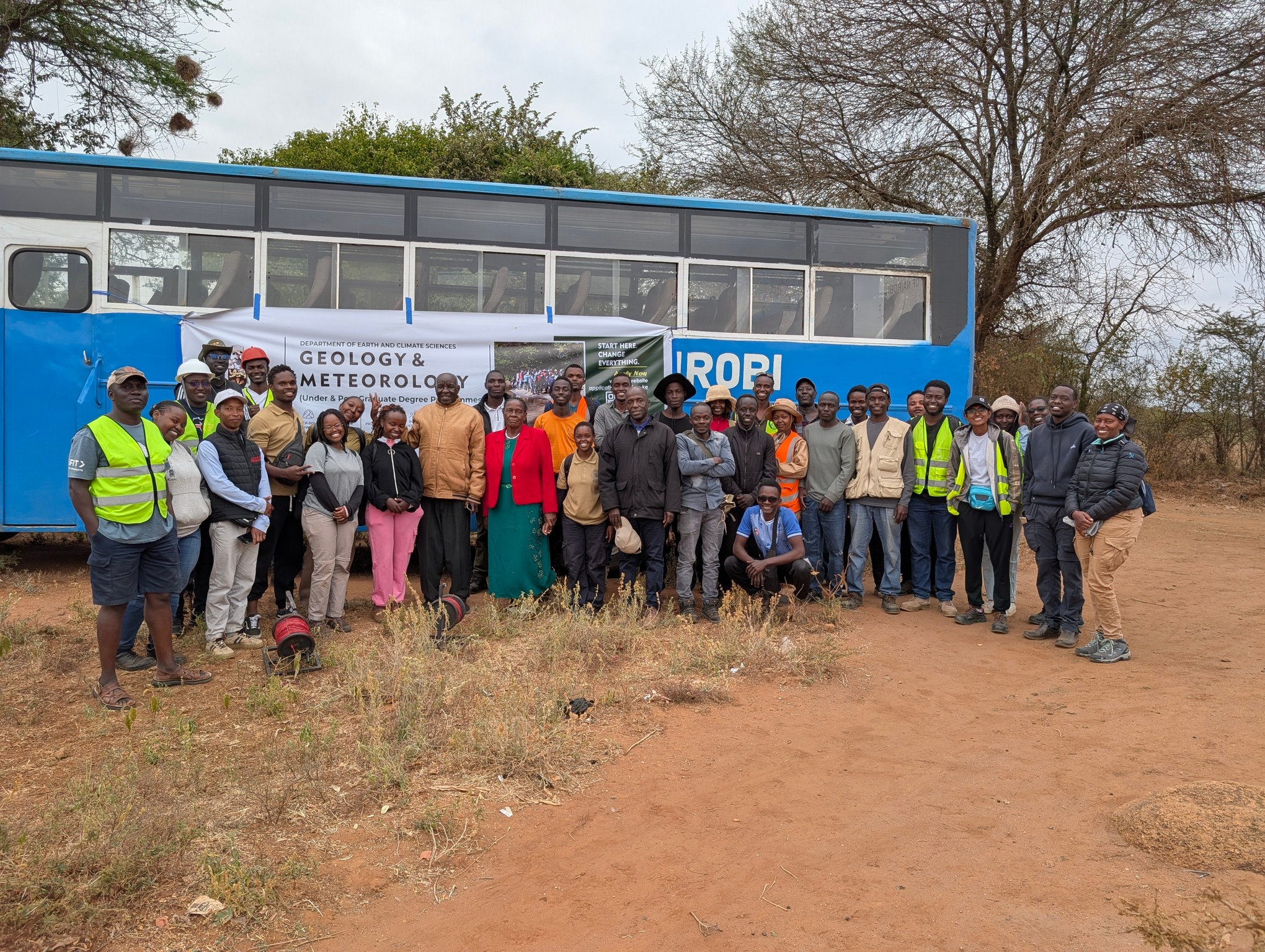
Fourth Year Geology Students Successfully Complete 21-Day Field Geology Mapping Campaign in Matuu–Ekalala–Kithimani Area
Date: 17 June – 8 July 2026
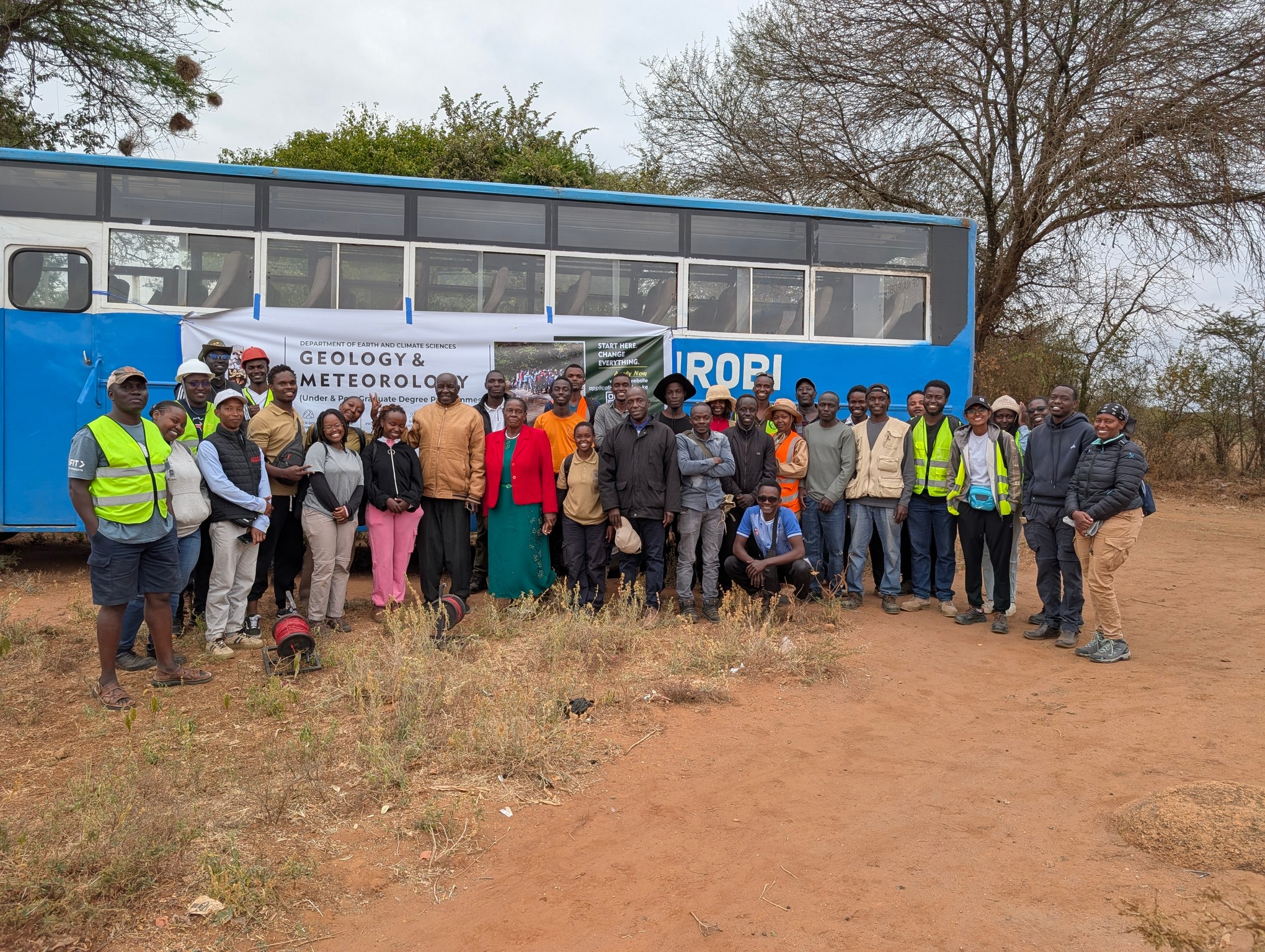
The Department of Earth & Climate Sciences, University of Nairobi, successfully conducted its annual SGL 3401: Field Geology field campaign from 17 June to 8 July 2026, providing fourth-year Bachelor of Science (Geology) students with an intensive 21-day geological mapping and field investigation experience.
The field exercise was undertaken in the Matuu–Ekalala–Kithimani area in Machakos County, a region that offers a diverse geological setting ideal for advanced undergraduate geological training. The campaign brought together 30 fourth-year students, who were organised into eight mapping teams of three to four students each, allowing every student to actively participate in data collection, interpretation, and reporting.
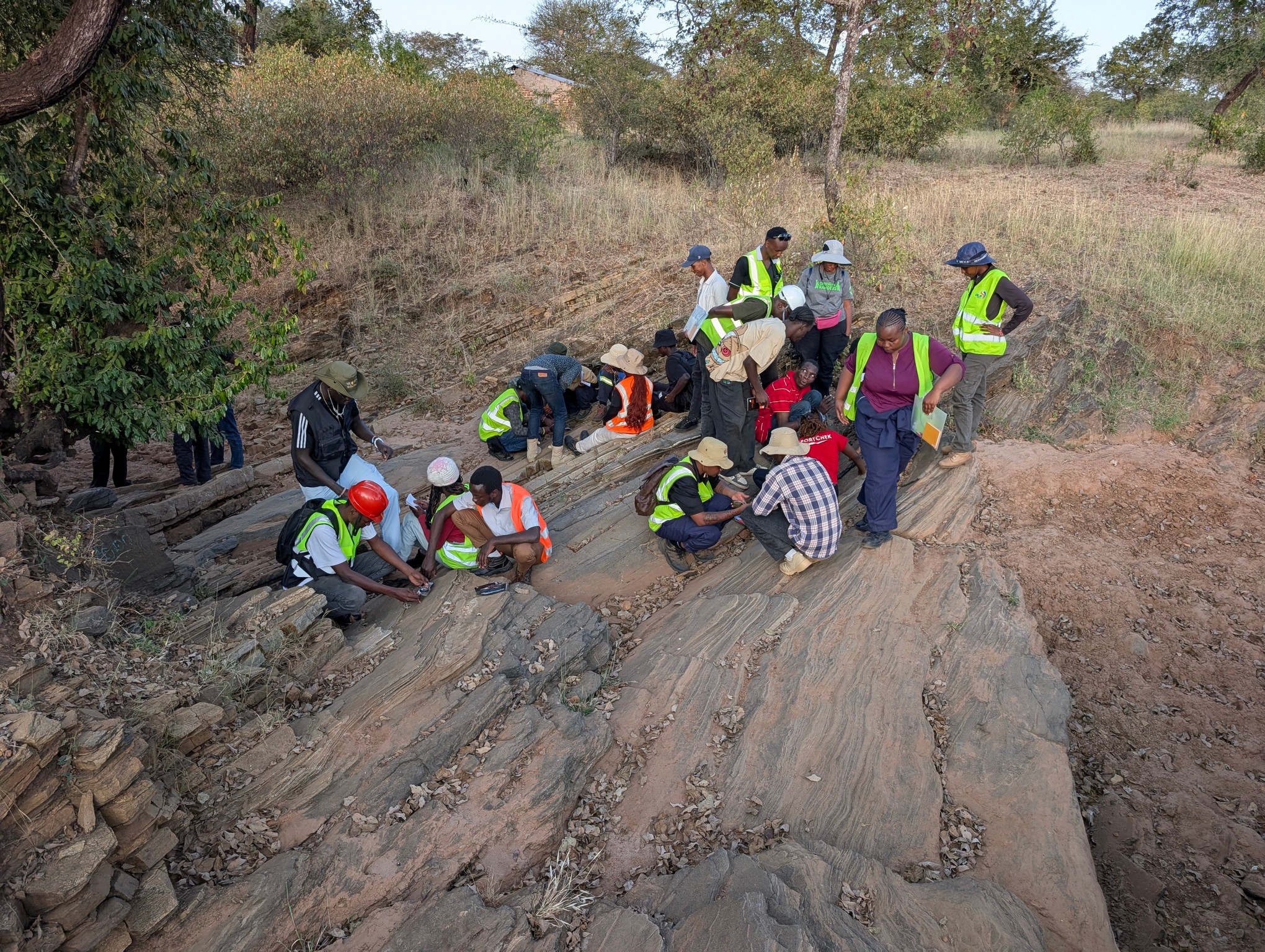
Field Geology is regarded as the capstone practical course of the undergraduate geology programme. It enables students to integrate knowledge gained in mineralogy, petrology, structural geology, stratigraphy, geomorphology, geophysics, hydrogeology, and geological mapping into real-world geological investigations.
Throughout the three-week campaign, students systematically traversed their assigned mapping blocks, undertaking detailed geological observations and recording field data using professional geological techniques. Activities included lithological identification, structural measurements, geological boundary mapping, stratigraphic observations, rock sampling, and the preparation of comprehensive field notebooks.
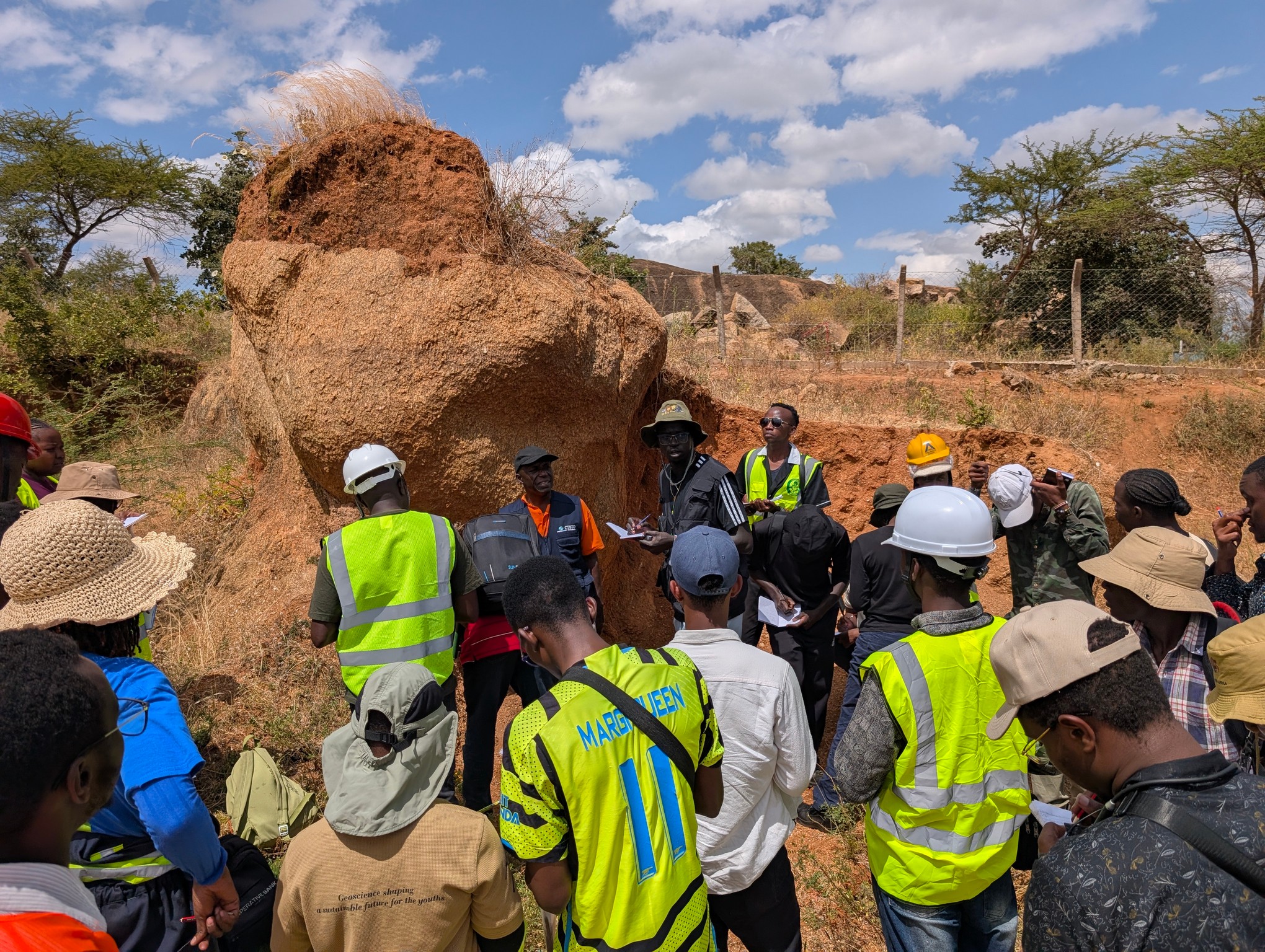
Working under the guidance of academic staff from the Department, each team produced detailed geological maps and cross-sections while interpreting the geological evolution of their respective mapping areas. Regular supervisory visits ensured that students maintained high standards of field practice, scientific observation, and data recording.
Beyond technical geological skills, the field campaign strengthened teamwork, leadership, communication, critical thinking, and problem-solving abilities. Students were required to plan daily traverses, make independent geological interpretations, manage time effectively, and work collaboratively under varying field conditions—experiences that closely mirror the demands of professional geological practice.
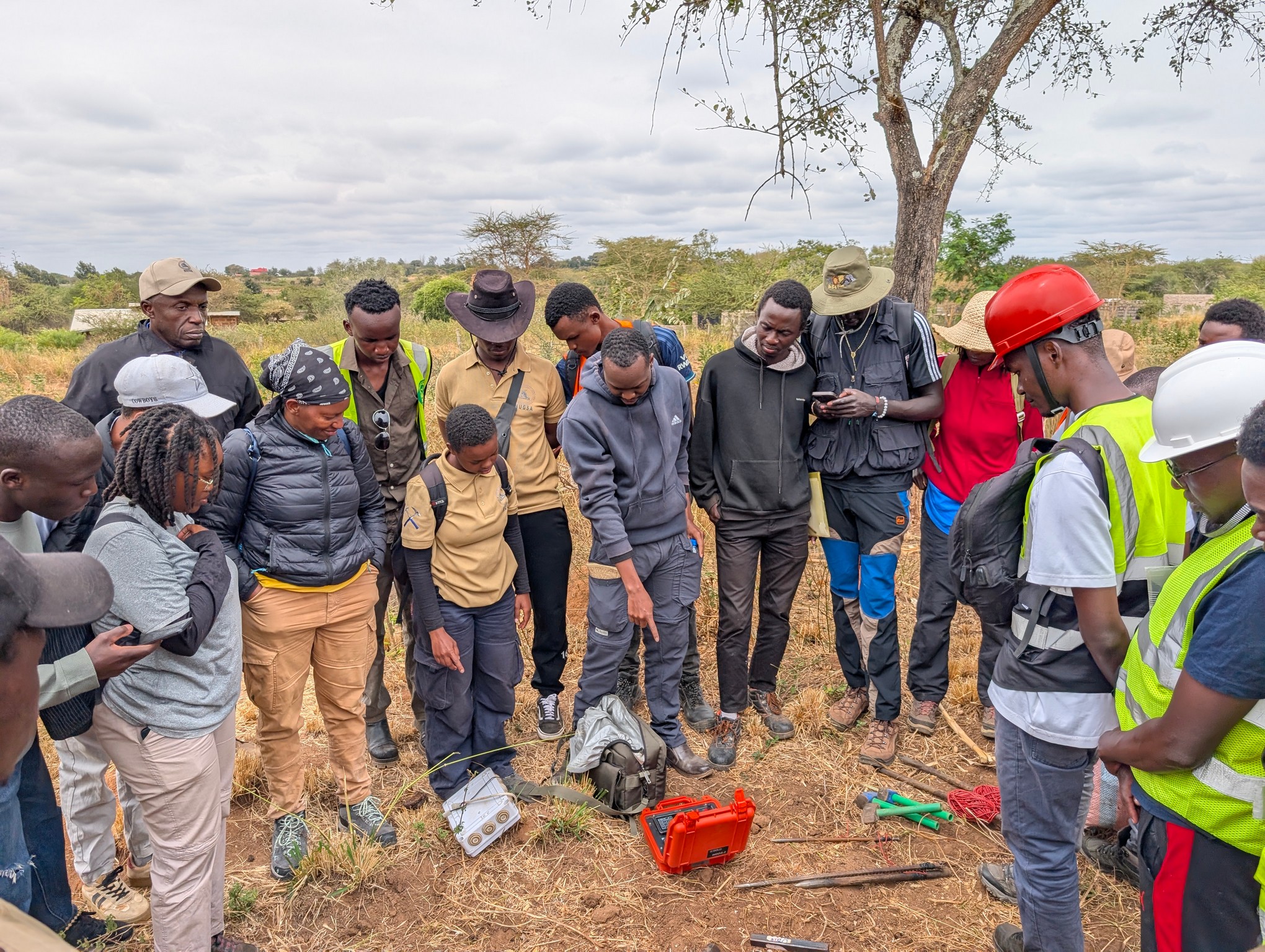
At the conclusion of the field exercise, each group compiled its observations into comprehensive geological reports integrating maps, cross-sections, structural analyses, lithological descriptions, and interpretations of the area's geological history. These reports form an important component of the assessment for SGL 3401: Field Geology and demonstrate the students' ability to transform field observations into scientifically sound geological interpretations.
The Department commends all participating students for their dedication, resilience, and professionalism throughout the demanding 21-day exercise. Appreciation is also extended to the academic and technical staff whose guidance, mentorship, and logistical support ensured the successful execution of the field campaign.
As the students transition from classroom learning to professional geological practice, the Field Geology course continues to serve as one of the defining experiences in the University's geology programme, equipping graduates with the practical competencies required in mineral exploration, groundwater investigations, engineering geology, environmental management, geotechnical consultancy, and other geoscience disciplines.
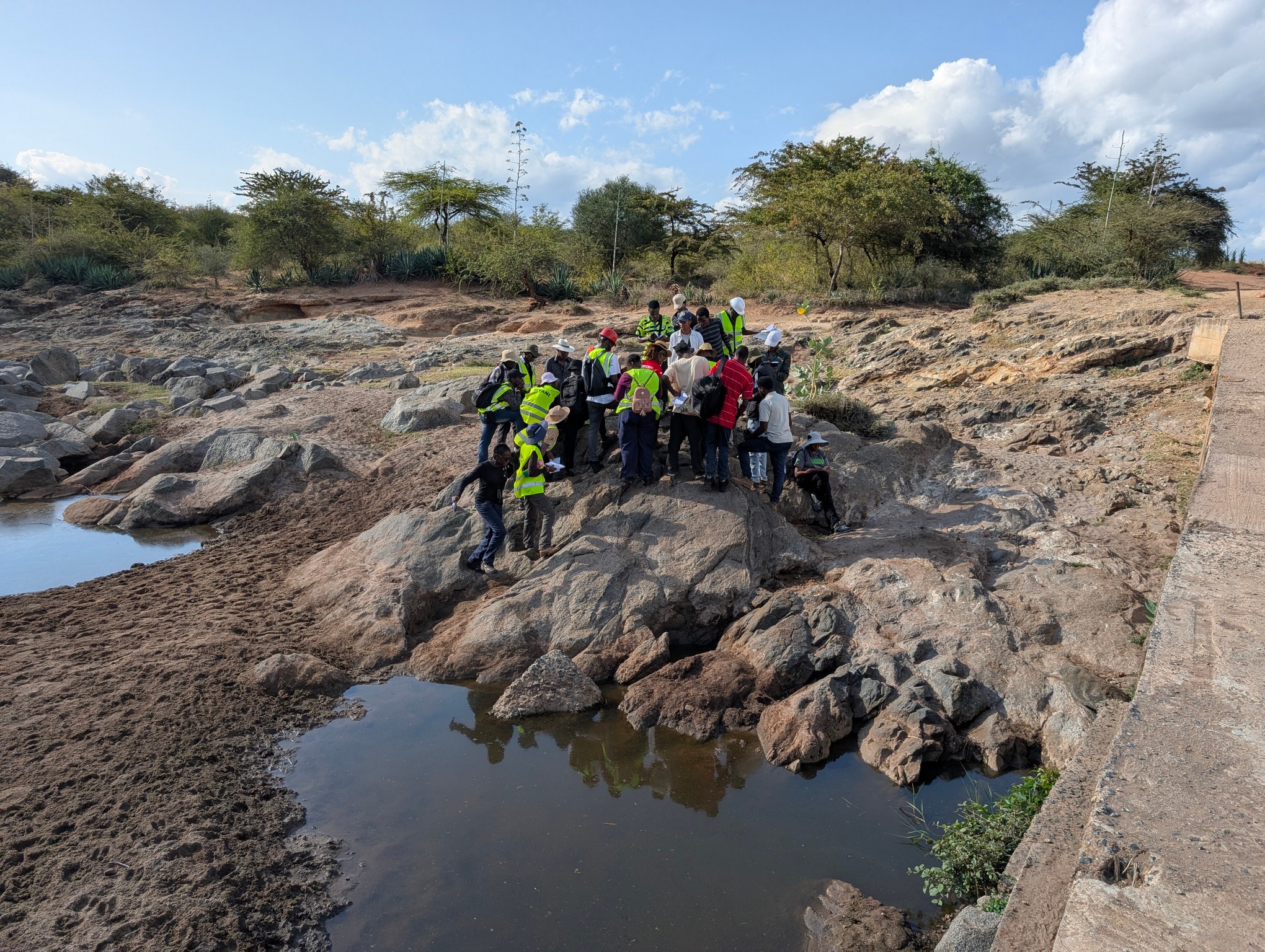
The Department remains committed to delivering high-quality experiential learning that prepares graduates to address contemporary geoscience challenges both in Kenya and across the region.