
Highlights from the CRACIP Cohort Two Training
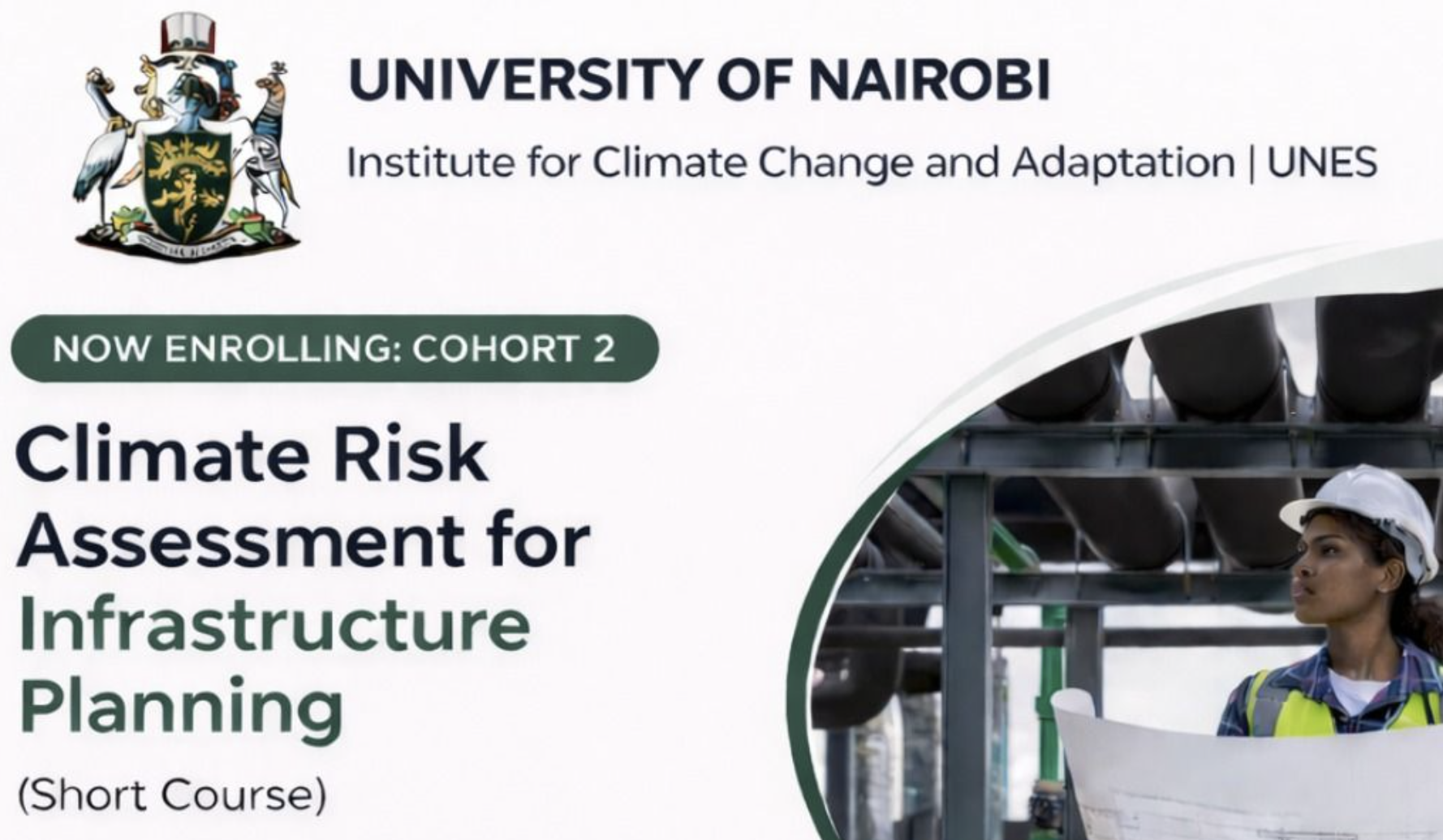
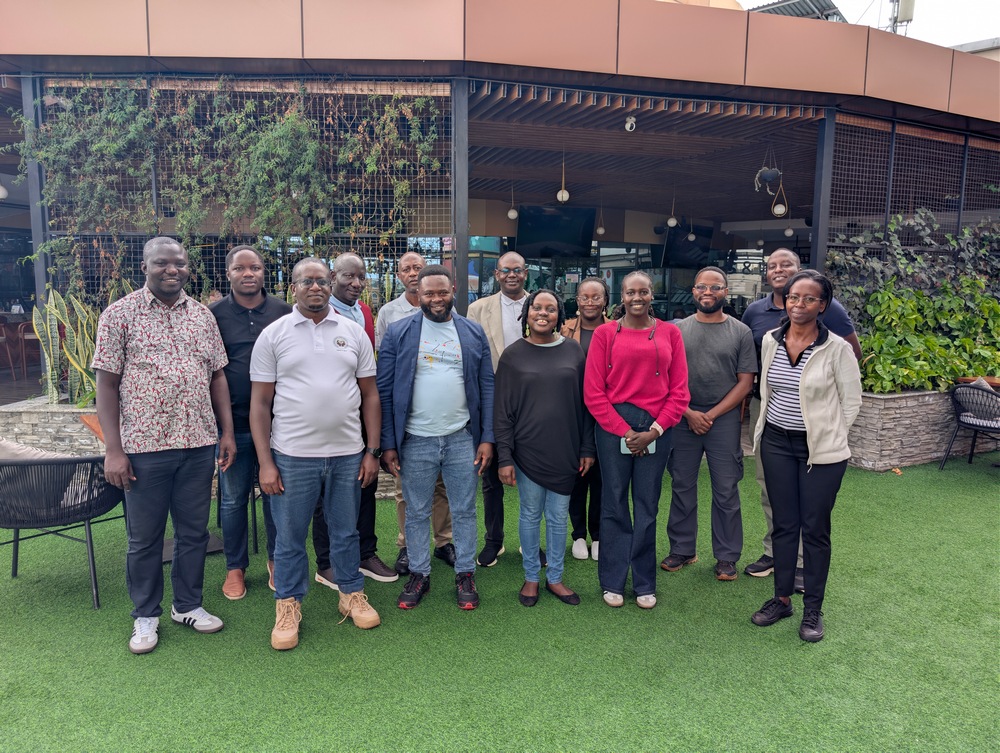
From April 20th to 24th, 2026, professionals from across Kenya gathered in Machakos for an intensive, hands-on training aimed at strengthening climate resilience in infrastructure systems. The Climate Risk Assessment for Critical Infrastructure Planning (CRACIP) Short Course – Cohort Two brought together experts from government agencies and the private sector in a collaborative learning environment.
The program was delivered through a partnership between University of Nairobi Enterprises & Services Ltd and the Institute for Climate Change and Adaptation, reinforcing the growing national focus on integrating climate risk into infrastructure planning.
CRACIP TRAINING
Driving Climate-Resilient Infrastructure in Kenya
Why Climate Risk Assessment Matters
As climate change intensifies, infrastructure systems—roads, bridges, water systems, and communication networks—face increasing exposure to hazards such as floods, extreme heat, and storms. Organizations like Kenya Rural Roads Authority, Kenya Urban Roads Authority, and Safaricom Plc are already experiencing these pressures.
The CRACIP course is designed to bridge the gap between climate science and real-world decision-making by equipping professionals with practical tools to:
- Identify and map climate hazards
- Assess infrastructure vulnerability and exposure
- Estimate potential damages
- Apply Cost-Benefit Analysis (CBA)
- Integrate climate risk into planning and investment decisions
A Hands-On, Practical Learning Experience
Unlike traditional classroom training, CRACIP emphasizes applied learning. Over five days, participants moved from foundational concepts to real-world application through a mix of lectures, GIS demonstrations, group work, and field assessments.
Day 1: Building the Foundation
Participants explored climate hazards, data systems, and GIS-based mapping. Sessions focused on how to source, prepare, and harmonize climate data, alongside an introduction to Kenya’s climate policy framework.
Day 2: Understanding Risk
The focus shifted to vulnerability and damage estimation. Through hands-on exercises, participants developed asset-level risk profiles and learned how infrastructure is impacted under different climate scenarios.
Day 3: From Risk to Decisions
Participants were introduced to Cost-Benefit Analysis and financing strategies. Scenario modeling and stress testing helped them prioritize infrastructure investments and develop risk narratives.
Day 4: Policy and Implementation
Technical insights were linked to real-world decision-making. Participants explored how to integrate climate risk into policy frameworks and institutional planning processes.
Day 5: Field Application
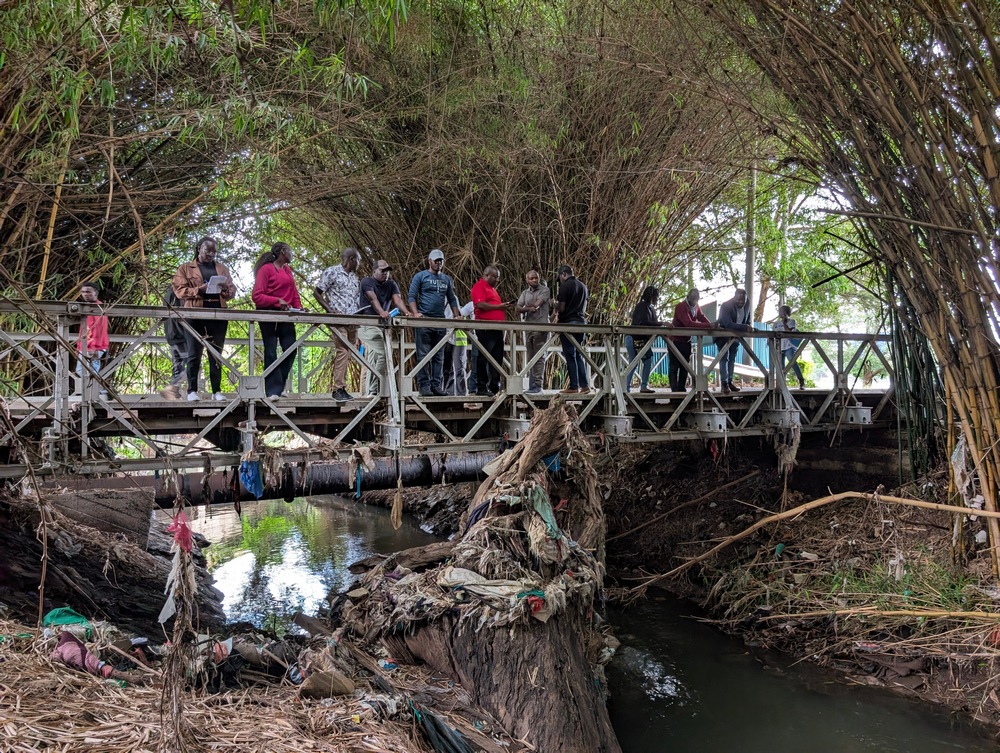
The training culminated in a field excursion, where participants assessed real infrastructure sites, collected data, and conducted rapid risk analyses—bridging theory and practice.
Strong Feedback and Measurable Impact
Participant feedback highlighted the training’s effectiveness:Participants conducting a field-based climate risk and infrastructure assessment during the CRACIP Cohort Two training
- Facilitation rating: ~4.7/5
- Confidence in applying concepts: ~4.5/5
Key strengths included:
- Practical, hands-on approach
- Real-world case studies
- Strong facilitation and structure
Participants particularly valued the ability to directly apply tools like GIS and CBA to real infrastructure challenges.
Key Outcomes
By the end of the training, the program had:
- Built capacity among 15 professionals from key institutions
- Strengthened climate risk assessment capabilities
- Enhanced GIS-based analytical skills
- Improved use of Cost-Benefit Analysis for decision-making
- Increased ability to integrate climate considerations into infrastructure planning
Lessons Learned and Future Improvements
While the training was highly successful, participants identified opportunities to enhance future cohorts:
- Allocate more time for practical exercises
- Expand technical modules for deeper learning
- Consider extending the training duration
- Maintain strong focus on applied, real-world learning
Looking Ahead
The success of the CRACIP Cohort Two training reflects a growing shift in how infrastructure is planned and managed in Kenya. Climate risk is no longer a theoretical concern—it is a practical reality that demands data-driven, forward-looking solutions.
Programs like CRACIP are helping to build a new generation of professionals equipped to design infrastructure that is not only functional, but resilient, adaptive, and future-proof.
As Kenya continues to invest in infrastructure development, integrating climate risk into planning processes will be essential to safeguarding both economic growth and community wellbeing.
COHORT 3 TRAINING IS COMING SOON - Interested? Send an email to chairman-earthclimatesciences@uonbi.ac.ke